
The Beauty of Fluffy Yarns: Halo, Texture, and Inspiration
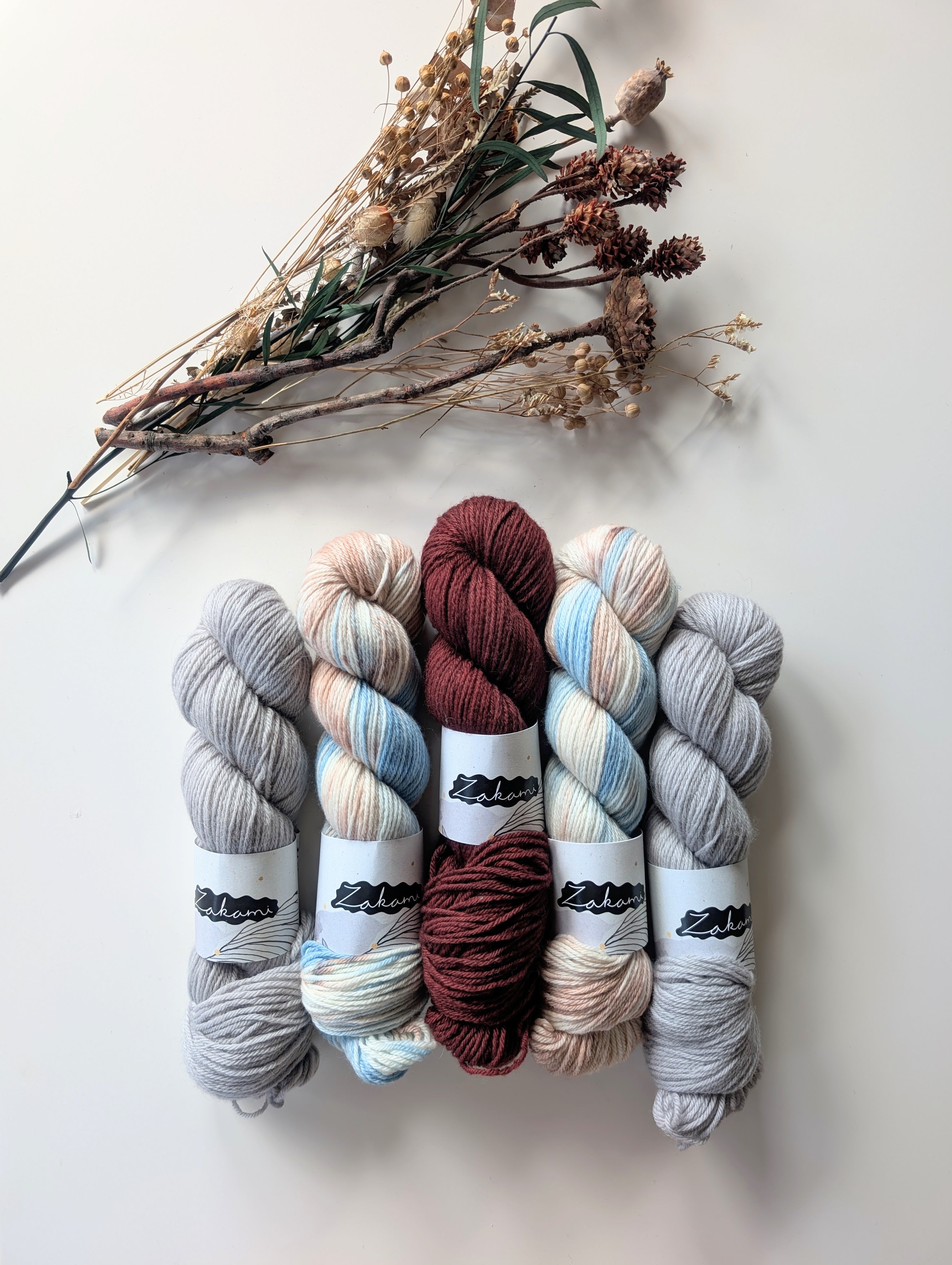
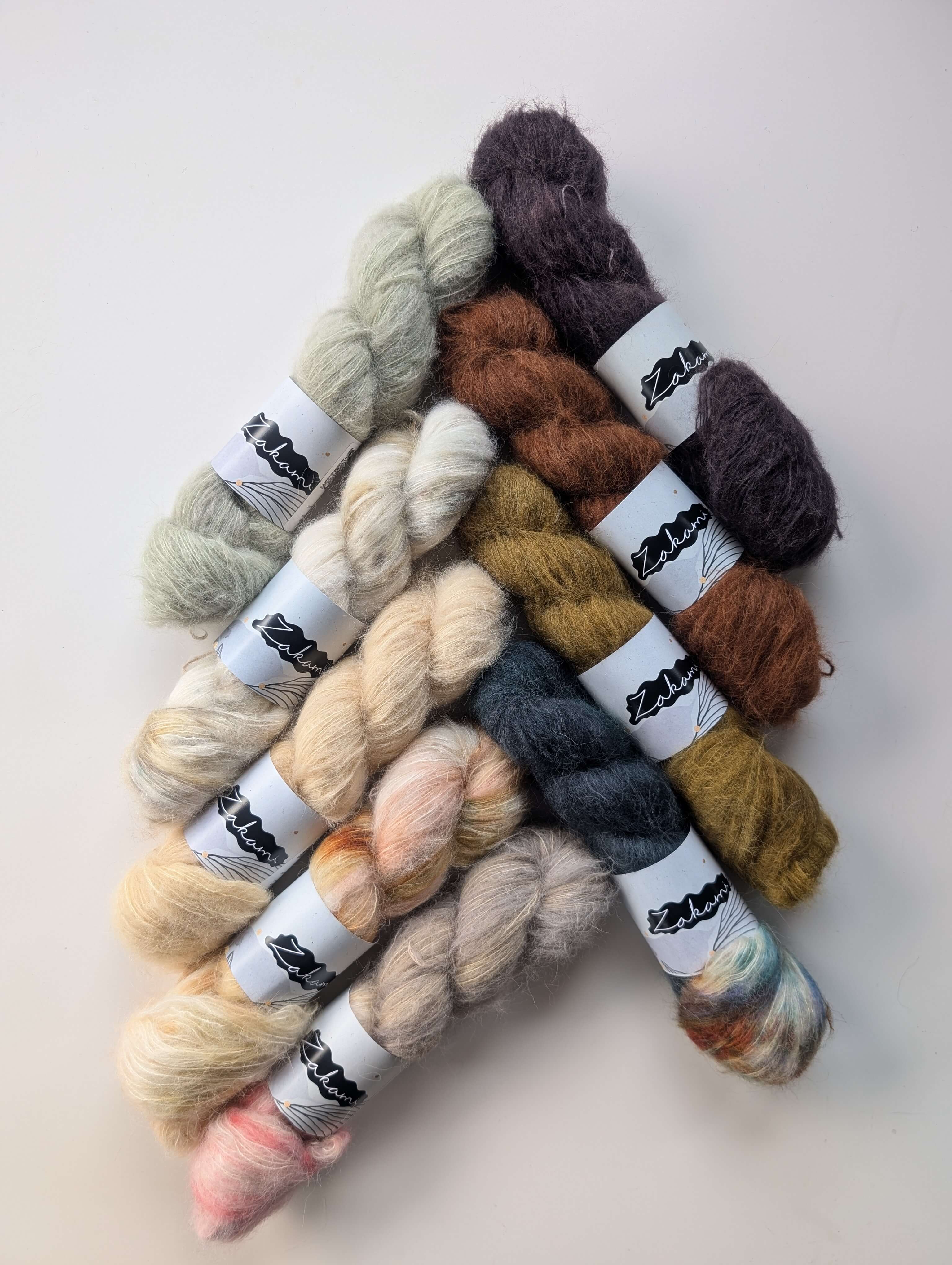
Over the past week we found ourselves returning again and again to one particular group of yarns in the studio: our fluffy lace yarns.
They are delicate, airy, and wonderfully soft — the kind of yarn that seems almost weightless in the hand but transforms beautifully once knitted. These yarns create a gentle halo around your stitches, giving finished pieces a dreamy softness and warmth.
We realised something interesting while talking with many of you online and in the shop:
fluffy yarns are loved… but they can also feel a little mysterious.
Some knitters worry about holding two strands together.
Others simply haven't had the chance to work with alpaca-based fluff instead of mohair.
So this week we decided to focus on them properly — to talk about how they behave, share patterns we love, and hopefully make these yarns feel a little more approachable.
Fluffy Yarn: More Than Just Mohair
When people think of fluffy yarns, mohair is usually the first fiber that comes to mind. It’s beautiful, but it’s not the only option.
Many of our fluffy bases use alpaca fibers, which behave quite differently.
Alpaca fluff tends to feel:
• softer on sensitive skin
• slightly warmer
• less prickly than some mohair blends
• smoother with a more relaxed halo
This makes alpaca-based fluff a wonderful alternative for knitters who love the look of halo yarns but prefer something gentler against the skin.
And of course, the blend matters too.
A Quiet Favourite: Yak Fluffy Lace
One yarn we talked about a lot this week is our Yak Fluffy Lace.
Interestingly, it’s a yarn that sometimes gets less attention online — but whenever people see it in person, it tends to steal the show.
The blend itself is quite special:
42% Baby Alpaca
13% 18.5 micron Merino
10% Yak
35% Silk
Non-superwash
400 m per 50 g
The naturally grey tone from the yak fiber gives the yarn a soft, earthy depth before it even touches dye. The alpaca creates that gentle halo, while silk adds strength and a subtle sheen.
The result is a yarn that feels both delicate and cosy at the same time.
It works beautifully for lightweight garments, shawls, and small accessories — especially when you want softness without heaviness.
A Few Patterns We Love
This week we shared a small collection of patterns we think work beautifully with fluffy yarns.
Some of our favourites include:
• Pippin Scarf by The Knit Purl Girl
• Loom Sweater by Ruthemann Design
The Pippin scarf is a particularly lovely example. One small 50 g skein can produce multiple neckerchiefs — perfect for gift knitting.
In fact, we’ve already seen several knitters make three or more scarves from a single skein, with yarn still left over.
Small projects like this are often the perfect way to explore a new yarn base.
Our Own Experience: The Loom Sweater
We also have a sample of the Loom Sweater in the studio.
This one has a small story attached to it.
Originally the plan was to knit it for Gergely, holding our undyed Gotland yarn together with Yak Fluffy Lace.
But after blocking it turned out to be slightly slimmer than expected — so instead of becoming his sweater, it quietly became mine.
Sometimes knitting projects decide their own destiny.
Dyed and Undyed: Two Different Experiences
Another thing we love about these yarns is how beautiful they are both dyed and undyed.
Our hand-dyed colourways bring out the halo in subtle ways, but the natural shades are equally lovely.
On the website you’ll find a dedicated Undyed section, where many of our yarn bases are available in their natural colours — white, grey, or warm brown tones depending on the fibre.
These skeins include helpful information about the yarn base, gauge suggestions, and fibre details.
Sometimes a natural skein is the perfect starting point for a calm, simple project.
If You’ve Never Tried Fluffy Yarn
If fluffy yarns feel a little intimidating, we gently suggest starting small.
A scarf, neckerchief, or simple shawl is often the perfect introduction.
You get to experience the softness and halo without committing to a large garment — and once you feel how the fabric develops, it suddenly becomes much less mysterious.
Ready to Start a Fluffy Project?
If you’re curious to try one of these yarns yourself, you can explore:
• our dyed fluffy lace yarns
• the undyed yarn section on the website
• our pattern bundle on Ravelry created specifically for these blends
We hope the patterns we shared this week give you a few ideas for your next cast-on.
And if you already love fluffy yarns, we’d genuinely love to hear your favourite patterns too.
There is always room for one more soft project on the needles.